Bring a Whimsical Touch to Your Projects with Cute Animal
Finding the right typeface can feel like searching for a specific tone of voice in a crowded room. You need something that not only communicates information but also conveys a specific emotion or brand personality. For projects that aim to connect with audiences on a personal, friendly, and lighthearted level, the Cute Animal font offers a distinct and charming solution. This isn't just another decorative script; it's a carefully crafted tool designed to inject warmth and approachability into a wide array of creative work. Its value lies in its ability to transform standard text into an engaging visual element, making it a potent asset for designers, entrepreneurs, and content creators alike.
Understanding the Personality and Style of Cute Animal
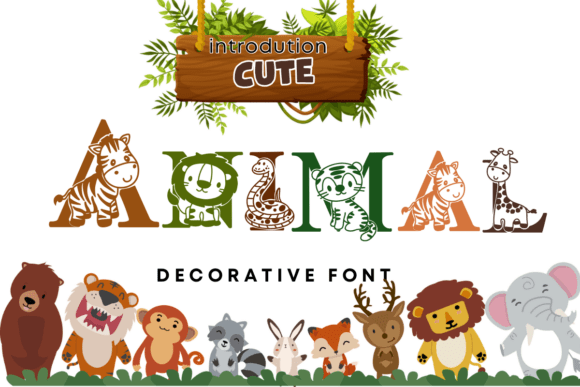
At its core, Cute Animal is a handwritten font with a playful, organic character. Its letterforms are defined by soft, rounded edges and a gentle, slightly uneven baseline that mimics the authentic feel of human handwriting. The strokes have a natural, flowing quality, avoiding the rigid perfection of geometric sans serif fonts or the formal elegance of classic serif fonts. This gives it an immediate sense of approachability and sincerity. The overall aesthetic is lighthearted and joyful, making it an excellent choice for any context where you want to foster a sense of comfort, creativity, and fun. It functions as a display font, meaning its strength is in headlines, short phrases, and attention-grabbing text rather than long-form body copy. As a premium font, it typically includes a full character set, punctuation, and often stylistic alternates, providing flexibility for nuanced design work.
Practical Applications Across Creative and Commercial Projects
The true test of any creative font is its versatility in real-world applications. Cute Animal excels in scenarios that benefit from a personal, artisanal touch. Consider its use in editorial design for lifestyle magazines or children's books, where it can create captivating chapter titles or pull quotes. In packaging design, it’s perfect for brands specializing in baked goods, handmade crafts, toys, or organic products, instantly communicating a homemade, caring ethos. For logo design, particularly for small businesses, bloggers, or independent creators, it can help build a memorable and friendly brand identity that stands out from corporate, sterile alternatives.
Digital spaces are equally welcoming to this typeface. It performs beautifully in social media graphics, where a quick, eye-catching header can stop the scroll. Use it for Instagram story text, Pinterest pin titles, or Facebook post overlays to add a burst of personality. In web design, it can be strategically employed for hero section headings, call-to-action buttons, or section titles on sites aimed at families, artists, or hobbyists. For personal projects, its charm is undeniable—think custom greeting cards, personalized stationery, diary headers, or custom wedding invitations. Even in commercial merchandise like mugs, T-shirts, and posters, Cute Animal adds a layer of whimsy that can increase product appeal.
Strategic Use: Impact on Brand Perception and Engagement
Choosing a font like Cute Animal is a strategic decision that directly influences how your audience perceives your brand. Typography is a silent ambassador; it sets expectations before a single word is read. By using this creative font, you signal that your brand is approachable, creative, and perhaps doesn't take itself too seriously. This can be a powerful differentiator in crowded markets. It fosters a sense of connection and can make communications feel more personal and less transactional, which is crucial for building community and loyalty, especially for bloggers and small business owners.
However, its impact on readability and visual hierarchy must be managed thoughtfully. As a display font, it’s not suited for paragraphs of body text, where clarity is paramount. Pair it wisely with a clean, highly legible sans serif font for supporting text. This creates a clear hierarchy: the Cute Animal typeface draws the eye for key messages, while the complementary font ensures the detailed information is easy to digest. This pairing technique is fundamental to professional modern typography and ensures your design is both engaging and functional. Using it consistently across your design assets—from your website headers to your email signatures—reinforces your brand identity and aids recognition.
A Practical Guide to Implementing Cute Animal Effectively
Before integrating Cute Animal into your workflow, a few practical considerations will ensure success. First, always evaluate project fit. It’s ideal for brands and projects centered on creativity, children, animals, food, wellness, and community. It may be less suitable for corporate, financial, or legal contexts where a tone of serious authority is required. Second, test font pairings rigorously. Place your chosen sans serif or serif font alongside Cute Animal in your actual design mockups. Check for contrast in weight, style, and x-height to ensure they complement rather than compete.
Third, review the font package you purchase. A quality commercial font license will specify usage rights—whether it's for personal projects, commercial merchandise, or unlimited digital and print applications. Understand what’s included: look for multiple weights, italic styles, or stylistic alternates that can add variety to your designs. Finally, conduct readability tests at various sizes, especially for digital use. While it’s a display font, it must remain legible on mobile screens when used for subheadings or button text. A quick test on different devices can prevent frustrating user experiences.
In essence, Cute Animal is more than just a set of letters; it's a design asset with a clear personality. When used with intention and strategic pairing, it becomes a powerful tool for shaping brand perception, enhancing engagement, and adding a memorable, human touch to a multitude of projects. Its strength lies not in ubiquity, but in its ability to speak directly to an audience that values warmth, creativity, and authenticity.